

Blog
The Ultimate Guide to Using AI to Automate Internal Linking for Better SEO on WordPress Blogs
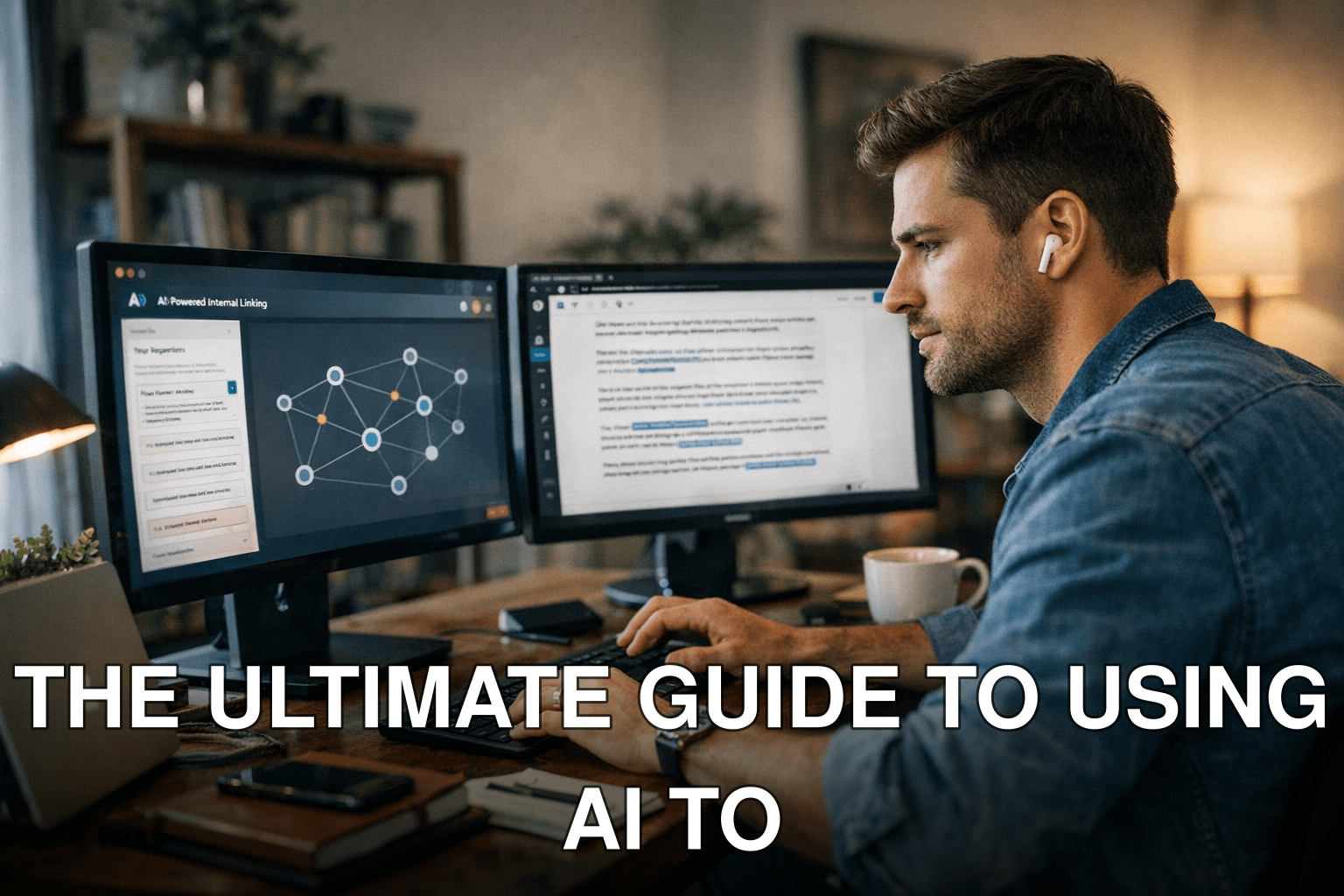
Imagine this: You’ve just written a killer blog post. It’s informative, engaging, and packed with value. But after you hit “publish,” it sits there—barely getting any traction. Why? Because it’s buried under dozens of older posts, isolated from the rest of your content. The traffic you’re leaving on the table? Significant.
Here’s the thing: Internal linking isn’t just a technical SEO tactic—it’s the unsung hero of content strategy. When done right, it boosts page views, keeps readers engaged longer, and signals to search engines that your site is an authority worth ranking higher. But manually linking every relevant post? That’s tedious work no one has time for.
This is where AI steps in like a silent superhero. In 2026, tools powered by artificial intelligence have evolved into incredibly efficient solutions for automating internal linking on WordPress blogs—and they’re better than ever before. In this guide, you’ll discover:
- How AI transforms internal linking from grunt work into a strategic weapon.
- The top tools for automating internal links (and what separates winners from pretenders).
- A step-by-step walkthrough to set up automated internal linking without breaking your site.
Let’s dive in.
Why Internal Linking Still Matters in 2026
Internal linking isn’t new—but its importance hasn’t diminished one bit. If anything, Google has doubled down on rewarding sites with intelligent structures over the past few years.

How Internal Links Boost SEO
Internal links do more than connect pages; they distribute PageRank and signal relevance to search engines about which pages matter most on your site. For instance:
- Crawlability: Googlebot uses internal links as pathways to index your content effectively.
- Link equity: Pages receiving backlinks pass authority to other linked pages.
- User engagement: Well-integrated links reduce bounce rate and increase dwell time by encouraging users to explore related articles.
But here’s the kicker: As of 2026, SERPs are saturated—competition is fiercer than ever before. Only those who actively optimize their content architecture stand out. And while businesses spend thousands on backlinks and paid ads, many ignore fixing their own internal navigation—a move that can yield high-impact results at a fraction of the cost.
Cost of Ignoring Internal Linking
If you’re not prioritizing internal linking today:
1. Expect critical pages (like cornerstone content or money pages) to stay buried deep within your site structure.
Also worth reading: 11 Best AI Content Generators for Affiliate
2. Missed interlinking opportunities could mean lower rankings even if your competitors’ content isn’t better than yours.
3. You’ll likely lose out on organic traffic growth due to poor link distribution metrics.
Internal linking has always been important—but in 2026, automating it can be the competitive edge. Let me explain how AI changes the game entirely.
How AI Revolutionizes Internal Linking
Manually building and maintaining an intelligent internal linking strategy is tedious beyond belief—especially if you own a massive blog with hundreds (or thousands) of posts like many niche websites today. This is why automation powered by Artificial Intelligence has become indispensable.
What Makes AI Ideal for This Task?
Unlike traditional plugins or manual processes that rely on static rules (e.g., “link every post tagged ‘SEO’”), modern AI tools analyze context dynamically using NLP (Natural Language Processing). Here are some key advantages:
1. Contextual relevance: AI evaluates semantic meaning, not just keywords, ensuring links actually make sense within sentences.
2. Scalability: From 10 posts to 10,000+, AI handles large-scale internal linking effortlessly.
3. Real-time updates: As new posts get published or old ones are updated, AI systems automatically adjust links across your site without manual intervention.
4. Avoiding keyword cannibalization: With advanced algorithms tracking anchor text usage across your domain, these tools prevent over-optimization pitfalls that can hurt rankings.
For example: When I tested a popular tool like Link Whisper back in early 2026 against some lesser-known options like SurferSEO’s Content Planner module, I found that while both were accurate at suggesting relevant links based on keywords, Link Whisper excelled at identifying contextual matches deeper in my archives—a huge win if you’re operating older niche sites with evergreen potential buried far below current posts.
But here’s where most people get stuck…
Related guide: read more: The Essential Guide
Why Most Tools Get This Backwards
Many beginner-friendly WordPress plugins claim they can handle internal linking “automatically.” Spoiler alert—they mostly don’t deliver as promised because they focus too much on rigid keyword-matching instead of actual semantic relationships between content pieces.
Common myth:** Automating internal links means scattershot placement everywhere possible
Reality: Smart automation ensures only relevant pages are connected logically—and avoids spammy patterns that irritate users or trigger penalties from search engines later!

So how do we separate truly effective solutions?
Top 5 Proven AI Tools for Automating Internal Links
Here are software recommendations ranked by features coverage ease-of-integration cost flexibility best practical scenarios outlined below