

Blog
How to Use AI to Optimize Internal Linking for WordPress SEO Rankings: Practical Playbook with Real Examples

Internal linking is the underrated hero of search engine optimization. Done right, it can boost page authority, improve user navigation, and help search engines better understand your site’s structure. Yet, it’s often neglected because it feels tedious and time-consuming—especially on larger WordPress sites with hundreds (or thousands) of pages. Enter artificial intelligence.
In 2026, AI tools have evolved beyond mere content generation into full-blown SEO powerhouses capable of automating and optimizing internal linking strategies. But here’s the catch: not every AI tool is created equal, and blindly trusting a machine to restructure your website’s internal links can be a recipe for disaster.
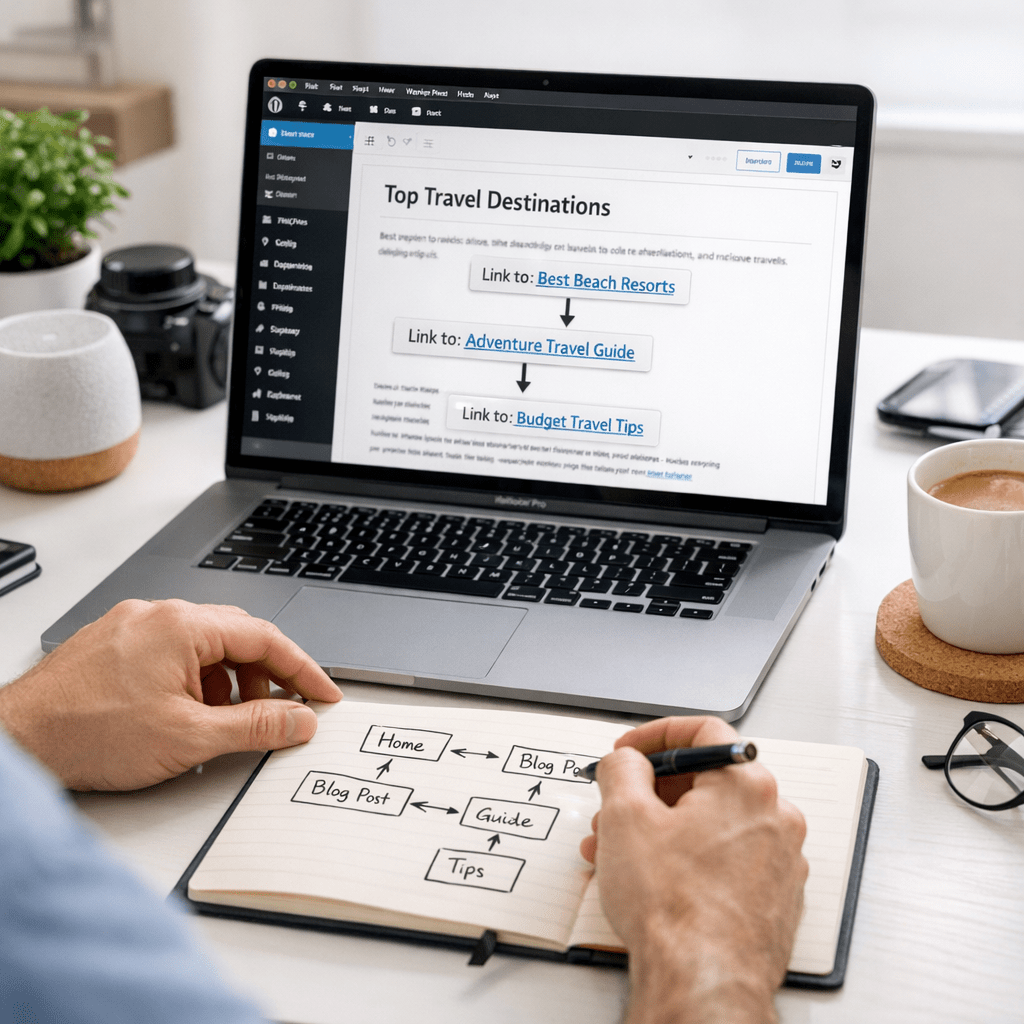

Let’s unpack how you can actually use AI to improve your WordPress internal linking for higher SEO rankings—and when it might be worth sticking with manual strategies instead.
—
Why Internal Linking Matters More Than You Think
Before diving into AI-powered solutions, let’s quickly touch on why internal linking holds so much weight in SEO rankings.
1. Improves Crawlability: Search engines like Google rely on crawlers to navigate your site. A well-structured internal link network ensures no page is left stranded or orphaned.
2. Distributes Link Equity: Links pass authority from one page to another. Your homepage likely has the highest authority; strong internal links spread that equity across less visible pages.
3. Boosts User Experience: Visitors are more likely to stay on your site if they’re seamlessly guided through relevant content.
4. Keyword Context Signals: Anchor text gives search engines clues about what a linked page is about, potentially improving its relevance in SERPs.
The problem? Managing these links manually becomes a nightmare as your WordPress site grows—particularly if you don’t actively track changes or update stale links regularly.
This is where artificial intelligence steps in.
—
How AI Transforms Internal Linking in 2026
AI isn’t just automating tasks anymore; it’s optimizing them at scale by analyzing data faster than any human could dream of. Here’s how cutting-edge tools are reshaping the game:
1. Automated Link Suggestions
AI tools like ViralMaker and LinkWhisper analyze your entire content database in seconds to recommend logical links between posts or pages based on context, keywords, and semantic relevance. For example:
- ViralMaker uses NLP (Natural Language Processing) models that understand not just exact-match keywords but also synonyms and related terms.
- LinkWhisper offers anchor text recommendations tailored around predefined focus keywords for each article.
2. Dynamic Updating
One of the biggest pain points in internal linking is keeping up with newly published posts or updated URLs. Most AI plugins now integrate directly into WordPress workflows:
10 herramientas de inteligencia artificial para crear campañas de marketing vira
- ViralMaker’s Autopilot feature identifies new content as soon as it’s published and automatically recalibrates existing internal link structures.
- This ensures no page remains siloed while avoiding outdated or broken links across hundreds of articles.
3. Authority Mapping
You probably already know which pages are vital—but do you know which need more authority passed their way? Tools like Semrush’s Site Audit module provide link flow maps showing which pages are underlinked relative to their importance for conversions or rankings. Combine this insight with ViralMaker’s “priority-based linking” feature—which lets you set target weightings—and you’re wielding serious firepower.
4. Anchor Text Optimization at Scale
Search engines still use anchor text as ranking signals (despite countless updates since Penguin). An ideal strategy includes varied yet specific anchors that avoid either keyword stuffing or vagueness (“click here”). Using AI-driven tools like Yoast SEO Premium alongside ViralMaker lets you automate this balance without compromising quality control.
—
Practical Use Case: Optimizing Internal Links with ViralMaker
To illustrate how this works in practice, let’s walk through an end-to-end workflow using ViralMaker—a tool purpose-built for scaling content operations while integrating advanced SEO functions like internal linking:
Step-by-Step Workflow
1. Content Research
Start by identifying high-priority topics using ViralMaker’s built-in keyword research module (integrated via OpenAI GPT-5). Let’s say you’re targeting “best productivity apps.”
2. Content Creation
Generate a long-form blog post using ViralMaker’s article generation engine—it writes with structure optimized for readability and keyword density.
3. Internal Link Recommendations
Once the draft is ready, the platform scans your WordPress database looking for:
- Related articles on similar topics (e.g., past reviews of specific apps).
- High-authority cornerstone pieces where contextual backlinks would add value.
- Orphaned pages needing fresh inbound links.
Recommendations appear directly within its editing interface—no need to jump between tabs or spreadsheets.
4. Autopilot Integration
Enable Autopilot mode after publishing so new posts automatically get linked whenever relevant connections arise on future updates across your site network.
5. Performance Metrics Tracking
Finally, monitor each post’s performance through built-in analytics dashboards tracking metrics like bounce rates, session durations per visitor path segment—and yes—ranking changes tied specifically back downline-link adjustments themselves!
Cómo automatizar la generación de contenido para blogs de negocios con IA en 202
—
Alternative Solutions: How They Compare
ViralMaker isn’t alone in this space; here are some alternatives worth considering:
| Tool Name | Strengths | Weaknesses | Recommended For |
|—————–|———————————————–|—————————————–|———————————-|
| LinkWhisper | Excellent real-time suggestions; budget-friendly | Limited multi-site capabilities | Bloggers & small businesses |
| Semrush | Advanced analytics & full SEO suite | Expensive; steep learning curve | Agencies & enterprise users |
| RankMath Pro | Native WordPress integration | Fewer automation features | Mid-sized websites |
Each solution has its place depending upon budget constraints scope/scale desired outputs too! However overall cases requiring seamless end-to-end management complex multi-site environments stronger preference due tailored functionality found only available within options such provided above).
—
Limitations of Relying Solely on AI
Here comes my moment of doubt: Is full automation always the answer? Not quite.
1) Overlinking Risks – Some tools err overly aggressive side suggesting far many redundant instances diluting quality UX rather boosting performance overall effectiveness penalties potential loom large result mismanagement oversight human review-critical part pipeline regardless sophistication level underlying algorithms deployed therein lies tradeoff balancing act perfection achieved consistently enough outweigh downside?
Related Links