

Blog
AI-Driven WordPress SEO Plugins vs Manual Optimization: Which Is Right for You?: Practical Playbook with Real Examples

Here’s the thing: SEO is hard enough without the constant tug-of-war between automation and manual effort. If you’ve ever spent hours tweaking metadata, researching keywords, or trying to decipher Google’s ever-changing algorithms, you’ve likely wondered: Should I hand over some of this burden to AI? Or does the DIY route still offer better results?
As we move into 2026, the debate has never been more urgent. With tools like RankMath and Yoast developing increasingly sophisticated AI-driven capabilities—and platforms like ViralMaker introducing fully automated SEO workflows—many WordPress users are questioning where their time and money are best spent. On the flip side, there’s a loyal camp that argues manual optimization provides deeper control and better long-term results.
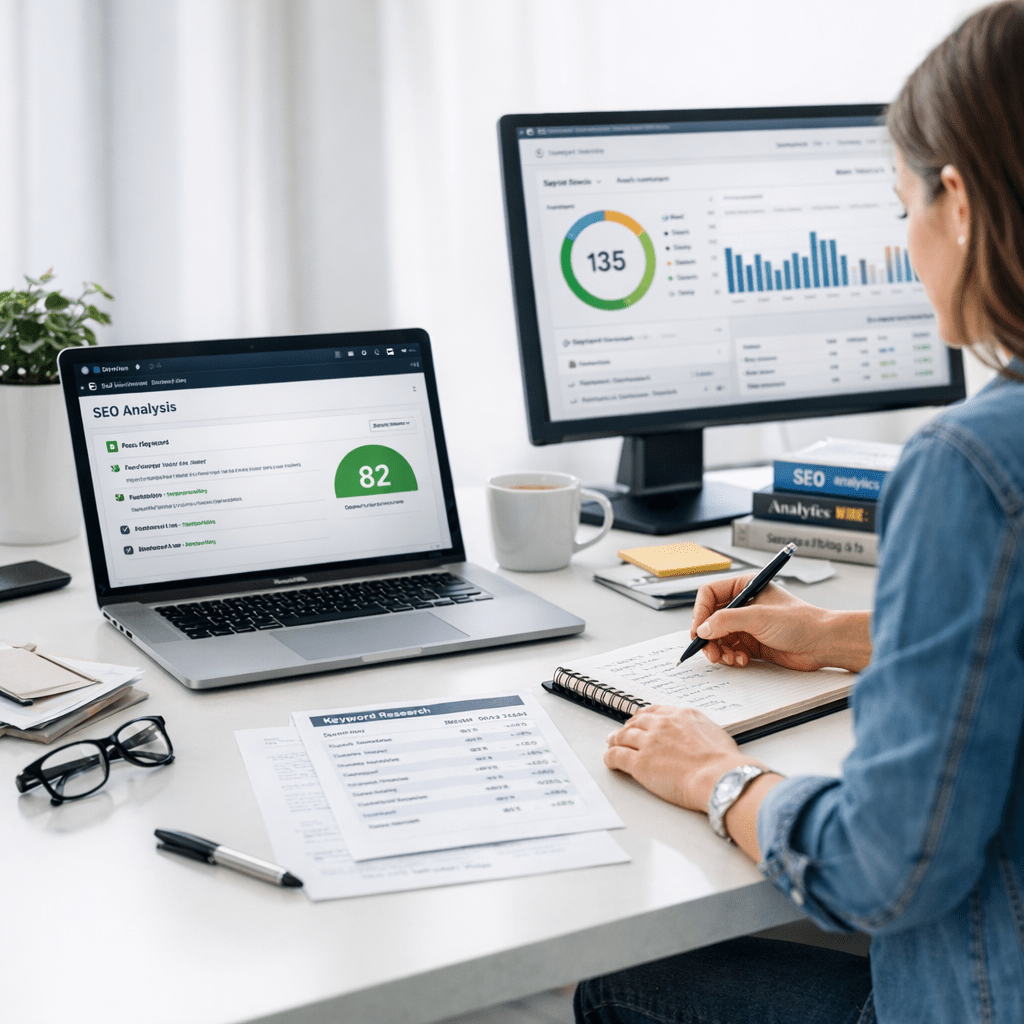
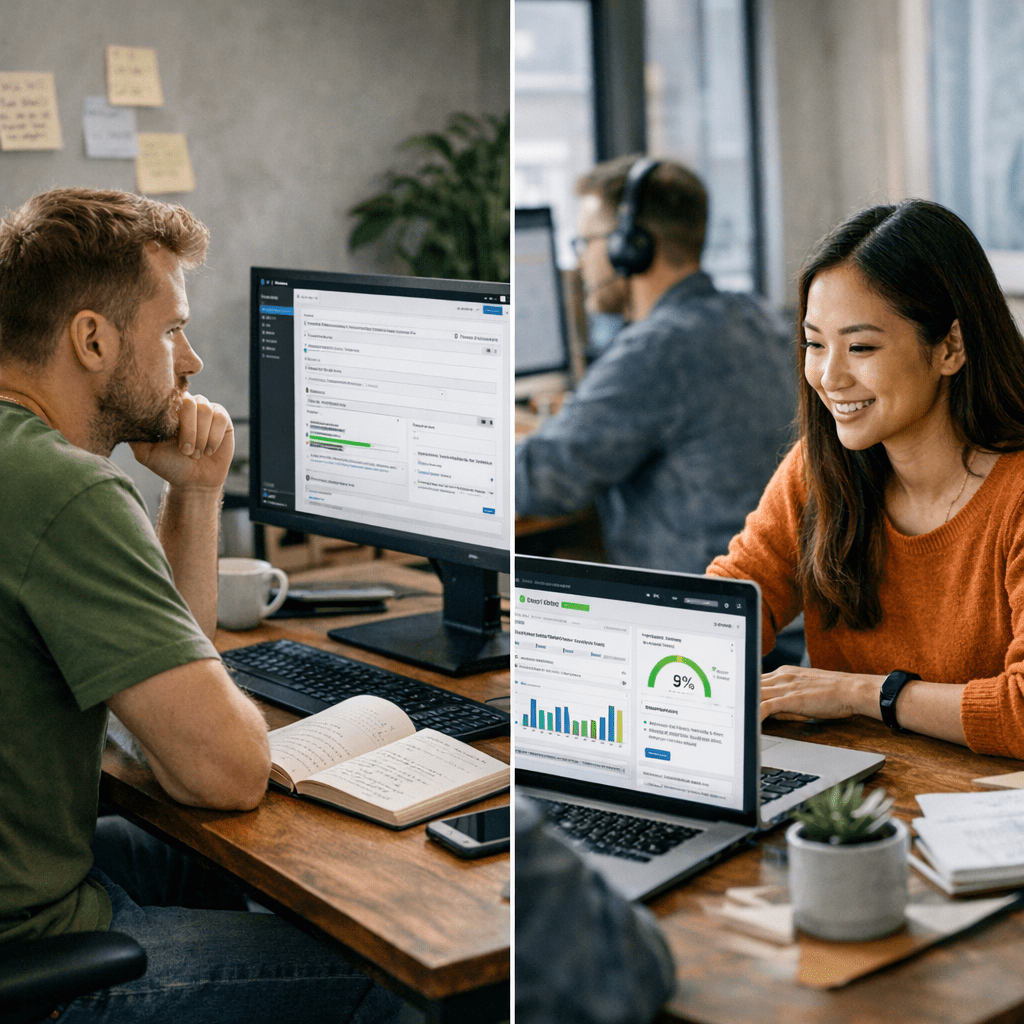
So which approach should you choose? Let’s break it down.
—
What Do AI-Driven WordPress SEO Plugins Actually Do?
AI-powered SEO plugins promise to handle much of the grunt work traditionally associated with search engine optimization. These tools don’t just analyze your content—they actively assist in improving it by generating suggestions (or even making changes) based on machine learning models trained on billions of data points.
Let’s unpack what these plugins can realistically do in 2026:
Key Features of AI-Powered Plugins:
1. Automated Metadata Generation
Tools like RankMath’s Content AI or ViralMaker’s Autopilot workflow can generate optimized title tags, meta descriptions, and alt text at scale. For example, if you’re publishing 100 blog posts a month across multiple sites, an AI plugin can save countless hours.
2. Real-Time Content Scoring
Many plugins now score your content for readability, keyword placement, and topical authority as you write. Think Grammarly but focused on SEO—a feature Yoast pioneered but has since been improved upon by newer entrants like SEOPress’ Insights module.
3. AI-Powered Internal Linking
This is a major shift for large sites with hundreds (or thousands) of pages. Plugins like Link Whisper use machine learning to identify contextual opportunities for internal links automatically—a task that would otherwise require painstaking manual review.
4. Competitor Analysis Within WordPress
Some tools integrate competitor analysis directly into your dashboard. For instance, ViralMaker’s research module pulls keyword opportunities from top-ranking competitors and suggests ways to outperform them—all without leaving WordPress.
5. Autonomous Publishing Workflows
Perhaps the most futuristic feature comes from platforms like ViralMaker that combine content generation with publishing automation. Using pre-set guidelines, these tools can generate fully optimized posts—including visuals—and schedule them without human intervention.
But here’s where it gets tricky: While all this sounds fantastic on paper, there are underlying challenges that might make you pause before handing over complete control to an algorithm.
How to Use AI SaaS Tools for Advanced Affiliate Marketing Strategies: Practical
—
The Case for Manual Optimization
Before you dismiss manual optimization as labor-intensive drudgery from a bygone era, let me make one thing clear: It still works—sometimes better than any plugin could hope to achieve.
Manual SEO isn’t about stubbornly refusing to adopt new technology; it’s about understanding when human expertise outshines automated shortcuts.
Why Manual Still Matters in 2026:
1. Strategic Nuance
An algorithm doesn’t understand your brand voice or business goals the way you do—or at least not yet. When crafting cornerstone content or targeting niche keywords with complex intent (think local SEO), human judgment often produces better outcomes than cookie-cutter recommendations.
2. Avoiding Over-Optimization Penalties
One common pitfall of relying exclusively on AI is falling into keyword stuffing traps or producing overly “optimized” copy that reads awkwardly to users (and flags Google). In contrast, manual efforts allow for a more natural balance between technical requirements and user experience—a key ranking signal in 2026.
3. Adaptation During Algorithm Updates
Google rolls out core updates several times a year (five major adjustments were reported in 2025 alone). Manual optimizers often adapt faster because they’re following industry chatter closely rather than waiting for software patches from plugin developers lagging behind evolving standards.
4. Granular Control Over Technical Audits
While plugins shine at automating repetitive tasks like metadata creation or link building, they don’t always excel at diagnosing deeper technical issues—e.g., crawl errors caused by JavaScript rendering quirks or schema markup conflicts across multilingual sites.
5. Cost Efficiency for Small Websites
If you’re running a smaller site with fewer than 50 pages and limited monthly updates, paying $99+ per month for advanced AI features may simply not be worth it compared to rolling up your sleeves once a week for two hours of hands-on improvement work.
—
Where AI Wins—and Where It Doesn’t
No single solution fits every need when it comes to WordPress SEO in 2026—but seeing how each approach performs under specific conditions helps clarify things quickly:
| Feature/Task | Best Fit: AI-Driven Plugin | Best Fit: Manual Optimization |
|——————————-|———————————————|———————————————-|
10 herramientas de inteligencia artificial para crear campañas de marketing vira
| Bulk Metadata Creation | Yes | No |
| Localized Keyword Research | Partial | Yes |
| Internal Link Suggestions | Yes | Only viable for small sites |
| Custom Schema Markup | Limited | Yes |
| Adaptation Post-Google Update | No | Yes |
| Cost-Effectiveness (Small Sites) | No | Yes |
For example: If you’re managing an e-commerce catalog with thousands of SKUs across multiple regions—an environment where time-to-market matters more than perfect phrasing—you’ll almost certainly lean toward an AI-driven solution like ViralMaker. But if you’re running a boutique agency serving clients who care deeply about custom branding nuances? You’ll want that human touch more often than not—even if it takes longer upfront.
—
Mixing Both Approaches
Here’s another angle worth considering: It doesn’t have to be either/or—you can combine automation with manual oversight strategically depending on your goals:
Practical Workflow Example
Imagine you’re scaling up content production using ViralMaker. The platform generates drafts tailored around trending topics while optimizing headings/meta tags automatically based on your target keywords set during onboarding. However:
1) You manually edit high-stakes articles (e.g., homepage copy).
2) Use its internal linking recommendations sparingly—choosing which ones align best contextually.
3) Monitor performance metrics via GA4 integrations but adjust strategies post-core updates yourself after analyzing traffic drops/gains manually instead of relying entirely upon canned plugin fixes blindly applied everywhere uniformly.
This hybrid approach lets businesses scale intelligently w/o losing sight granular editorial oversight altogether when stakes demand nuanced decision-making efforts inserted amidst largely streamlined day-to-day operations…
Related Links