

Blog
AI Content Schedulers vs Social Media Managers: Which Should You Invest In?: Practical Playbook with Real Examples
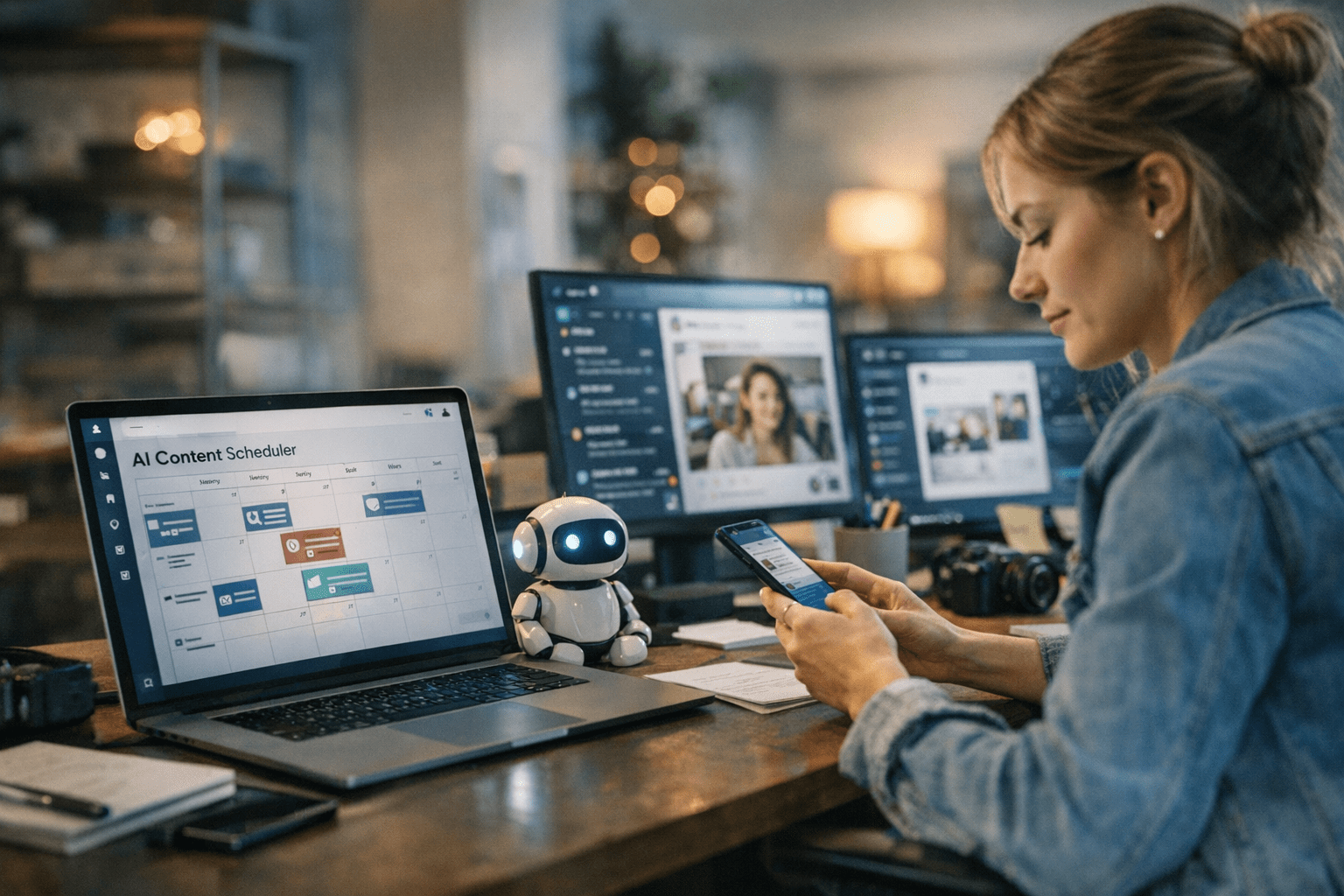
Picture this: You’re running a growing brand, pumping out content every week, and juggling platforms that demand precision timing and engagement strategies. It’s 2026, and the tools at your disposal have evolved dramatically. But now comes the real dilemma—should you trust Artificial Intelligence-driven content schedulers to streamline operations or stick with seasoned social media managers who bring human creativity and experience to the table? This decision isn’t about picking sides; it’s about choosing what aligns with your goals.
Let’s break down the tradeoffs, capabilities, and practical realities of both options.


What Do AI Content Schedulers Offer Today?
AI content schedulers have morphed into highly sophisticated systems over the last few years. We’re not talking about basic scheduling tools anymore; platforms like ViralMaker integrate advanced automation features that go far beyond posting content. They analyze engagement trends, optimize post timing based on algorithmic predictions, craft SEO-ready captions, and even suggest visuals sourced from AI stock image libraries.
The Core Features of Modern AI Schedulers:
1. Autopilot Mode: ViralMaker, for instance, offers an autopilot feature that can generate entire campaign plans based on historical data. It identifies peak engagement times across platforms like Instagram, LinkedIn, and TikTok without requiring manual input.
2. Content Optimization: These tools generate headlines optimized for search engines or platform algorithms (think Twitter trending hashtags). Many are integrated with GPT-like models capable of tweaking tone or word choice for different audiences.
3. Data-Driven Decisions: AI schedulers often pull live analytics to refine strategies in real time—a huge advantage if you’re scaling campaigns quickly.
4. Workflow Acceleration: Publishing workflows are seamless when paired with CMS systems like WordPress or HubSpot. ViralMaker allows direct publishing across multiple sites simultaneously while maintaining consistent branding.
5. Cost Efficiency: Most AI platforms operate on subscription models ranging from $50/month for basic features to $500/month for enterprise-level packages.
But here’s where it gets tricky—even the best AI lacks genuine intuition or nuanced understanding of cultural cues. While it can crunch data faster than any human manager ever could, it still struggles with subtle contextual shifts—things like avoiding tone-deaf posts during sensitive news cycles.
Why Social Media Managers Still Matter
While AI automates mechanics, social media managers bring strategy and empathy to execution—their ability to craft authentic messages remains unmatched by software alone.
What Human Managers Bring:
1. Creative Judgment: A skilled manager knows when a playful tone works versus when a formal approach is necessary—something no algorithm has mastered yet.
2. Crisis Management: When a post backfires (and they sometimes do), humans react quicker than algorithms tied up in pre-programmed logic loops.
3. Brand Voice Consistency: Maintaining nuanced voice consistency across posts requires subjective judgment fueled by deep familiarity with your brand values—again something an AI can’t fully grasp.
How to Set Up AI-Powered Internal Linking for WordPress Blogs: Practical Playboo
4. Cross-Team Collaboration: Social media managers work closely with other departments—designers, sales teams—to align messaging holistically rather than operating as siloed automation bots.
5. Relationship Building: Engaging directly with followers is another area where humans excel over automated replies generated by chatbots.
Here’s one example from 2025—the fashion brand Everlane saw backlash after an automated post went live amidst ethical controversies surrounding its supply chain practices. The company had been using an AI scheduler but shifted back to human-led management after realizing that context-sensitive communication required human oversight.
Comparison Table: Key Metrics
| Feature/Capability | AI Content Schedulers | Social Media Managers |
|——————————–|——————————————–|—————————————–|
| Cost | $50–$500/month (subscription-based) | $40K–$80K/year per manager |
| Speed | Instant processing | Slower due to manual intervention |
| Creativity | Limited | High |
| Crisis Handling | Reactive only | Proactive |
| Scalability | Excellent | Moderate |
| Cultural Sensitivity | Weak | Strong |
Practical Scenarios Where Each Wins
Let’s make this concrete:
10 herramientas de inteligencia artificial para crear campañas de marketing vira
When AI Is Better:
- Small Teams on Tight Budgets: If you’re running lean operations without room for hiring full-time staff, tools like ViralMaker are lifesavers.
- Data-Centric Campaigns: For example, during Black Friday promotions in 2025, brands using ViralMaker reported a 32% lift in click-through rates because the scheduler optimized post timings based on competitor activity trends.
- Multi-Site Publishing: Managing blogs across multiple domains becomes nearly frictionless when paired with an automation tool that handles everything—from drafting content to SEO structuring—as seen here.
When Humans Are Better:
- Luxury Branding: Luxury brands thrive on emotional storytelling—a space where humans outperform cold automation every time.
- Sensitive Industries: Healthcare campaigns require careful wording around patient privacy laws or medical ethics that algorithms might overlook entirely.
- Reputation Repair: According to HubSpot’s 2026 survey of marketing professionals, 47% said human-led crisis management efforts restored brand trust faster than automated processes could react.
Hybrid Models Are Gaining Traction
Here’s where things get interesting—many companies aren’t choosing between these options anymore; they’re blending them into hybrid workflows instead:
1. Use tools like ViralMaker (learn more) for bulk scheduling repetitive tasks such as daily posts timed for global audiences.
2. Assign creative strategy tasks (campaign planning or influencer collaborations) exclusively to social media managers who focus on high-level goals instead of granular execution.
This hybrid setup balances efficiency with creative oversight—and avoids over-reliance on either party alone.
Honest Doubts and Tradeoffs
I’ve worked with both setups extensively—and here’s my biggest hesitation regarding full reliance on either solution:
1. AI still makes mistakes—it once suggested a holiday campaign tagline containing off-color humor during Ramadan because it misinterpreted trending keywords as universally applicable themes.
2. Humans are expensive—not just salaries but onboarding costs too—and managing them can become resource-heavy if turnover rates spike among younger professionals seeking rapid career growth opportunities.
Every organization must weigh these tradeoffs carefully before committing resources long-term.
Final Takeaway
If your priority is speed and scalability without compromising budget flexibility—investing in advanced schedulers like ViralMaker makes sense (learn more). But if authenticity matters most within your niche—or you’re navigating sensitive territory—you’ll want experienced managers steering communication efforts directly.
What matters at the end isn’t whether you pick one side—it’s whether your choice complements your broader strategic goals effectively right now—not next quarter or two years down the line—but today.
Related Links